What Is Karma and How Does It Work in Daily Life?
The word karma is widely used in everyday conversations, but its meaning is often misunderstood. Many people think karma simply means “what goes around comes around.” While that idea captures part of its meaning, karma is actually a deeper concept rooted in philosophy, ethics, and human behavior.
At its core, karma is about actions and their consequences. Every action we take — whether positive or negative — creates an effect that influences our lives and the lives of others.
Platforms like karmas.in are built around this principle: that positive actions, when shared and practiced consistently, can inspire meaningful change in individuals and communities.
The Meaning of Karma
The term karma comes from ancient Indian philosophy and literally means “action” or “deed.”
The concept teaches that:
- Good actions create positive outcomes
- Negative actions create negative outcomes
Karma is not about punishment or reward from an external force. Instead, it is a natural process where our actions shape our experiences and relationships over time.
Simply put:
Our choices influence the direction of our lives.
How Karma Works in Everyday Life
Karma is not just a philosophical idea — it can be seen in everyday situations.
1. Kindness Creates Positive Relationships
When you treat people with kindness and respect, they are more likely to respond in the same way. Over time, this builds trust and strong relationships.
Example:
- Helping a colleague with a task
- Supporting a friend during difficult times
These actions strengthen bonds and create a supportive environment.
2. Positive Actions Influence Communities
Small positive actions can affect more than just one person.
For example:
- Someone feeds stray animals in their neighborhood.
- Others notice and begin helping as well.
- Soon, a group forms to care for animals regularly.
This chain reaction shows how good karma spreads through communities.
3. Negative Actions Also Have Consequences
Just as kindness spreads positivity, harmful behavior can create negative outcomes.
Examples include:
- dishonesty damaging trust
- selfish actions harming relationships
- negative attitudes affecting workplace environments
Over time, such actions can lead to conflict and isolation.
The Ripple Effect of Karma
One of the most powerful aspects of karma is its ripple effect.
A single good deed can inspire others to do the same.
Imagine this sequence:
- A person helps someone in need.
- The person who received help feels inspired.
- They help someone else.
This creates a chain reaction of kindness.
Even small actions can have far-reaching effects that we may never fully see.
Why Practicing Good Karma Matters
Practicing positive actions has many benefits beyond helping others.
1. It Improves Mental Well-Being
Helping others often leads to feelings of happiness, satisfaction, and purpose.
2. It Strengthens Communities
Communities built on trust, compassion, and cooperation tend to be more resilient and supportive.
3. It Inspires Others
When people witness acts of kindness, they are more likely to repeat them.
This creates a culture where compassion becomes normal behavior.
Simple Ways to Practice Good Karma Daily
Practicing good karma does not require major efforts or resources. Small everyday actions can make a difference.
Examples include:
- Helping someone who needs assistance
- Showing patience and understanding
- Volunteering for community activities
- Feeding stray animals
- Donating clothes or food
- Offering encouragement to someone facing challenges
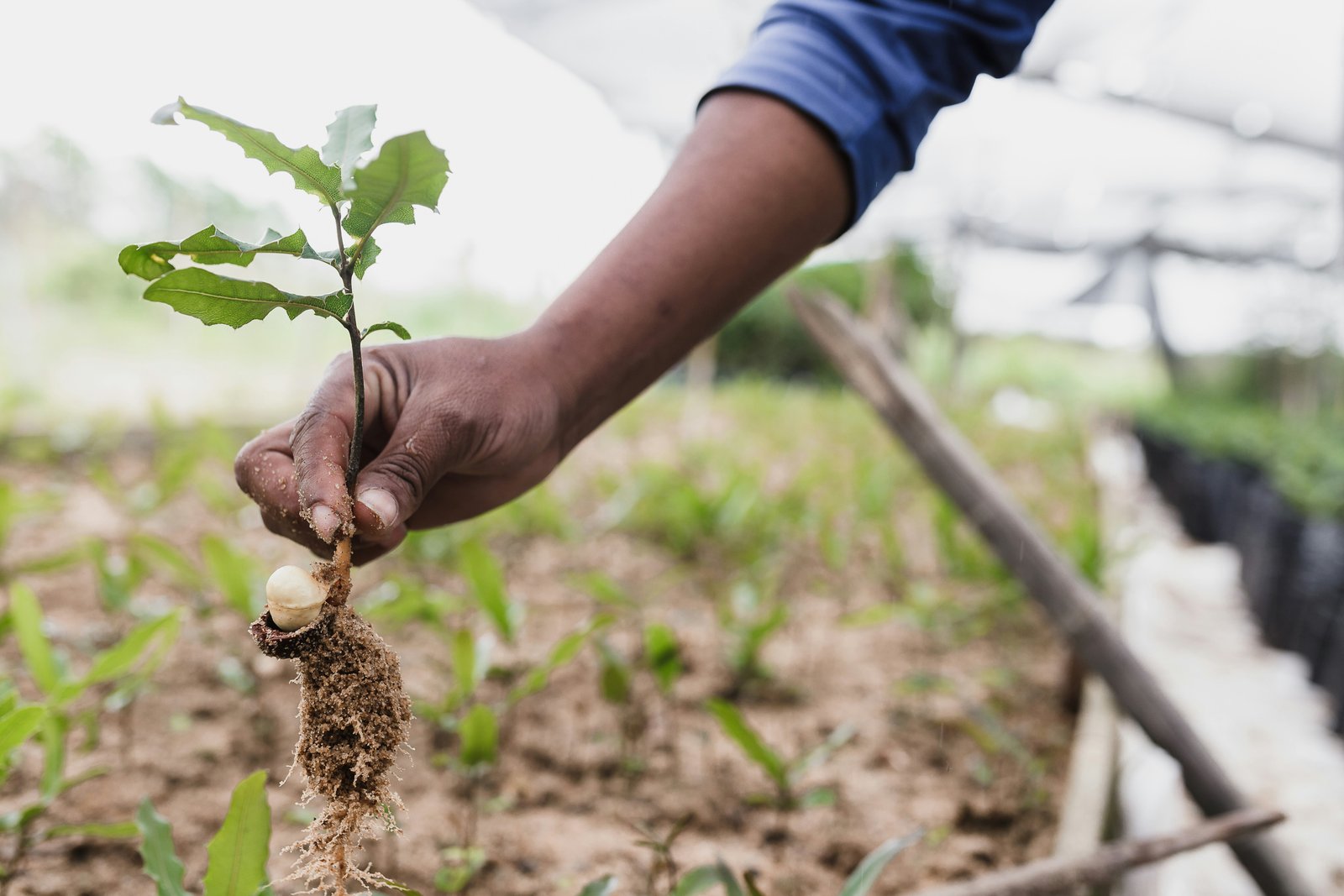
- Protecting the environment by planting trees or reducing waste
Each of these actions contributes to a more positive world.
The Role of Sharing Good Deeds
When good actions are shared, they can inspire others to act as well.
Online platforms and communities allow people to highlight positive stories and motivate more individuals to contribute.
For example, karmas.in encourages people to share acts of kindness so that others can see the impact of positive actions and feel inspired to participate.
By celebrating good deeds, communities can shift attention from negativity toward compassion and social good.
Final Thoughts
Karma is not a mysterious force that suddenly appears in our lives. It is the result of our daily choices, behaviors, and interactions with others.
Every action we take — no matter how small — has the potential to influence someone’s life.
When people choose kindness, honesty, and compassion, they contribute to creating a world where positivity spreads naturally.
In the end, karma reminds us of a simple truth:
The energy we put into the world is the energy that eventually comes back to us.